Showing posts with label OSCE prep. Show all posts

Friday, February 12, 2021

Abdomen examination

Basic Abdomen Examination


In this post I will also add in a sample OSCE questions for EPR. Hopefully you will understand the structure and question style of EPR part II. 


Physical examination video. 


1; check from the end of the bed first  

(include RR, age, confusion, pain, scars, septic looking, pallor )

then... check 

--> the hand(palm, finger clubbing and straighten hand)

--> arms and axilla

--> face+mouth

-->lymph node 

--> chest (spider naevi>5 is significant)


2. Abdomen

--> observation

--> palpation of 9 segment! light palpation and deep palpation-

-> access the location, size, shape, surface, consistency, mobility

--> palpate the liver: liver edge then percuss from up to down 

--> the gall bladder (murphy sign)

--> palpate the spleen start diagonally (look for rib 11, splenic notch)then percuss to confirm

--> ballot the kidney (make sure your hand is symmetrical)

--> palpate the aorta (2cm side and up, on the corners)

--> palpate the bladder

--> percussion for shifting dullness

--> auscultation for bowel sounds- bruits


3. peripheral check up

- check limbs (pitting edema)


Investigations

1. FBC

- WBC: high/low any infection

- Hb: anemia, bleeding, IDA

- PLT: low - spleen issue


2. coag

- PT prolong - if its high to suspect some liver damage/ vit K usage/ anticoagulant usage/ liver disease

- APTT - prolong ppt --> liver disease


3. LFT

- AST : in the blood may indicate hepatitis, cirrhosis, mononucleosis, or other liver diseases. High AST levels can also indicate heart problems or pancreatitis. 

- ALT : high--> might be acute hepatits/ viral hepatitis infection

- ALP: can indicate liver disease or bone disorders


4. viral screening

- Hep B and Hep C (HbsAg, ANTI-HCV)


5. for differential diagnosis

- malignancy, tumor, abscess - to confirm with fnac/biopsy

- infection

- autoimmune disease

- thrombosis

- myeloma

- primary biliary cirrhosis


Sample cases for OSCE:


Sample Answer: 

Wednesday, October 21, 2020

Clinical Skills for Respiratory system

HI everyone!
 
This is a page where I accumulate all the study resources in one place especially for respiratory system, enjoy!

It includes:
  1. Respiratory clinical skills checklist
  2. Things to master for respiratory OSCE
  3. Sample OSCE demonstration
  4. Chest X-ray Quizzes
  5. Sample Cases for practice
  6. Peak flow meter and Inhaler techniques
  7. Common used Malay terms for doctors in Malaysia
  8. Further readings on management for common Respiratory diseases


Clinical skills checklist


Things to master for OSCE EXAM

Communication Skills 

1. Elicit a comprehensive occupational and social history from a patient.

2. Elicit a comprehensive past medical history from a patient. 

3. Give simple instructions to a patient. 

Clinical examination skills 

1. Carry out a fluent and structured examination of the respiratory system in a  simulated patient. 

2. Recognise normal breath sounds, wheeze and crepitations using the stethoscope

3. Recognise abnormal findings on percussion and auscultation and explain the  pathological processes that would produce these. 

4. “Putting All Together” to reinforce clinical reasoning and introduction to early  differential diagnosis. 

Practical skills 

1. Accurately perform a peak flow measurement. 

2. Demonstrate the correct use of an inhaler (with and without a spacer/aero chamber) to a patient. 

3. Identify the key features of a plain chest radiograph and recognise common  respiratory abnormalities. 


Sample OSCE for respiratory


Chest X-RAY study resources


Sample cases for practice:

1. Mr. Y, is an 88-year-old gentleman who complains of progressive worsening  of breathlessness since 2 weeks ago. He also complains of a pain at the right  side of his chest. He used to work at the docks in the UK in his teens.  

a) Does the patient require urgent intervention? 

b) Is the shortness of breath acute or chronic? 

c) What additional questions would you ask to learn more about his  shortness of breath? 

d) What is the organ system involved in the patient's shortness of breath  (cardiac, pulmonary, hematologic, or psychiatric)?

2. A 55-year-old man presented with the history of cough for 4 weeks comes to  the GP clinic and is very concerned after having 2 episodes of prolonged  coughing that produced blood-streaked sputum. He also complaints of fever  for 7 days and cough productive of yellow sputum. This is the first time he  has experienced this symptom. 

a) What additional questions would you ask to learn more about his  hemoptysis? 

b) How would you classify his hemoptysis in terms of quantity? 

c) Can you make a definite diagnosis through an open-ended history  followed by focused questions? 

d) What are the alarm features when evaluating a patient with hemoptysis? 


Tuesday, August 11, 2020

ATLS overview (OSCE)

Definition: 

  1. ATLS : life threatening with pulse
  2. ACLS(cardiac): life threatening, no pulse

Common emergency cases:  (ATOMTC)

  • Airway obstruction
    • Tension pneumothorax - silent chest, trachea deviated
  • Open wound
  • Massive hemothorax
  • Tracheobronchio dissociation/ fistula
    • empysema
    • crepitus, poor air entry
    • corrective surgery
    • do X-ray - is it hyperventilated?
  • Cardiac tamponade - JVP, increase HR, muffled heart sound
    • Pericardial effusion?

OSCE ATLS steps: 

1. What to do when the patient came in with emergency? (DR. AVPU)
  1. Danger
    • access the situation, ensure you are safe first
  2. Response & role
    • check for patient response and 
    • ask someone around you(assistants)to help
      • prepare airway apparatus +cervical support
      • chest tube, needle tube, SP02
      • IV line - for fluid & BT & crossmatch
    Check their response to... 
  1. Alert
  2. Verbal
  3. Pain
  4. Unconscious


2. If all above indicates emergency case signs proceed with   ABCDE

Airway       - jaw thrust - open the mouth and inspect for foreign substances (yonker suction could help 
                       removing them) - check for gag reflex - 
                   - cervical support - can be confirmed by using the NEXUS criteria 
                  

 (cervical spine evaluation in trauma)
             
Breathing   - ventilation,
      • inspection: check for ATOMTC (common emergency cases, in first paragraph)
      • palpation: trachea location, rib intact? fracture?
      • percussion: hyper-resonance? dull?
      • auscultation: Air entry? Heart rhythm, HR?                        
                    - check Respiratory rate
                    - intubate if needed

Circulation - bleeding
      • IV 2 large bonula
      • IL warm NS
      • BT urgent panel
      • inspect head to toe for bleeding
        • EENT, abdomen (peritonitis), pelvis(spring fracture), genitalia (hematoma, scrotum, perianal bleeding, urethral)
        • peripheral bleeding (fracture)
Disability   - pupil
      • GCS scale!   
      • Trauma - Trauma Assessment - Glasgow Coma Scale      
Exposure    - environmental - do they need a blanket? (hypothermia?)
      • log roll for back examination (examine the spine - stepping sign)/ rectoperitoneal bleeding / prostate high riding / pelvic injury / abdominal injury / thoracolumbar injury
      • DRE? anal tone lac? 

Simple Management mnemonic:

2(CBD, NG tube)
+
2(X-ray : chest and pelvic)
+
2(drugs and analgesia IPTT)
+
2 investigation(ECG, FAST u/s)

other links:

Friday, August 7, 2020

Breaking bad news: Down syndrome

How to explain to the parents about Down Syndrome?

First, you will need to know what is the problem and understand before explaining to them.
The parents will be worried, anxious and some might even cry upon receiving the news. Be ready to comfort them and help them through this journey of hardship but understanding their children together. 
As a doctor, you are to tell them the truth and at the same time, comfort and reassurance. 

https://canadiem.org/breaking-bad-news/


So.. how should you start your conversation?

1: Express your concern

- Greet the parents, introduce who you are and why are you here. 

Setting
- Before telling them about their child's condition, 
    ask if they need someone to accompany them or if their family member is here (if they are alone).
Example: Before we go ahead, can I just ask, would you like to be with someone now? 

 
Perception
- Ask what they realise that is abnormal about their child.
    - This helps us to understand how much they know about the situation, so we know where to start.

Invitation
Tell them about the news:
Example: Unfortunately, I do not have good news, I am sorry to tell you that... ...
*wait for them to react before you continue your explanation*

👇

2. Explain and educate

Knowledge
- Explain the nature of down syndrome. definition, symptoms and signs
- Genetic Issue
- Intellectual Aspect
- Health Aspect
    - To tell them their child would probably need a lot of follow up on potential health issues
    - TO explain the prognosis is poor
        - average lifespan is around 50-60years old, 
        -possible health issues of the heart, gastrointestinal, eyes and bones, 

👇

3. Advice the parents

- Their character and behaviour infront of the child
    - try to be encouraging to the child
    - be patient and kind
-To discover the child's talent
    - the child might not do well in studying but might excel in cooking, music or sports
- Diet
    - to ensure good nutrition provided and not neglect the child
    - they need the same/ more attention compare to normal children of the same age. 
- Advice to look for special care school
    - there are special school's which teaches kids who have the same problem
    - opportunity to know other parents who face the same issue and share experiences

👇

4. Future follow up 

- to come regularly for normal vaccination
- to check calcium development regularly
- ensure proper growth and reach their age milestone
- Series of check up for their child in the future : Eye checkup, bone density, X-ray, echocardiogram, etc. 

👇

5. Encourage the parents to join a parents group

Summary
- we can give them leaflets (if available) to understand down's syndrome better
- provide reliable sources (websites) so they can read to help with the understanding

- encourage them to not give up and keep persevering till the end. the child is a gift from god, and we are to take care of them with love and care. 
Example: Don't blame yourself. There is nothing that could have been done to stop this from happening. What you need to do now is to... ... 
👇
-Reassurance
Example: 
    - I understand you are worried but...
    Do you need some time to rest?
    We will keep an eye on your child for his (results), so we can provide the treatment earlier. 
    The doctor/professor who is in charge of your child is an expert on this syndrome and would try 
       his/her best to help your child. 
    - I will give you a follow up date with us in the clinic, will you be available on the ... ...?

👇

6. Empathy (throughout the whole session)

** Always ask if they understand what you are trying to say before going to the next point.
**ask if they have questions to ask you concerning their child and their worries. 
Example: Do you understand what I am trying to explain? 
                Do you have any questions?

- Look them in the eye while you are talking and show that you care about them.
- If there is a break down (crying), pause the conversation and try to offer tissue or suggest them to come at a later date with their family/support.
- Have empathy and to try answer their questions at the same time.  


Friday, June 19, 2020

CTG scenarios

CTG examples from
https://www.slideshare.net/fathi1957/ctg-lecture-for-undergraduates-by-associate-profdr-aisha-elbareg


Fetal tachycardia


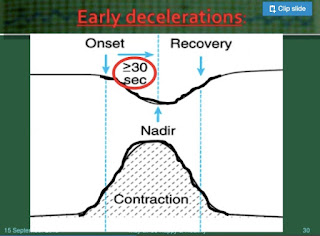
Late decelerations & Early decelerations


Variable deceleration


Prolonged decelerations & Mild and severe variable deceleration


Late decelerations


Thursday, May 21, 2020

OSCE VIDEO 1 (epr malaysia)

This is a sample video which can be helpful for you to imagine how it is like during the exam.
Just for your reference, 
and
credits to the students, doctors and the volunteer from IMU. 
Thank you for making this video. 


Question in the video


**P/s: this is exactly what happens to my OSCE exam when I took EPR OSCE on 2019. Although the venue is different (in USM), the way they conduct the exam is the same.

There will always be a doctor in each room to evaluate your performance and ask you questions after you finish the task.

Make sure you organise your time well. For sample questions you can refer to my other posts here.


Good luck!

Wednesday, May 13, 2020

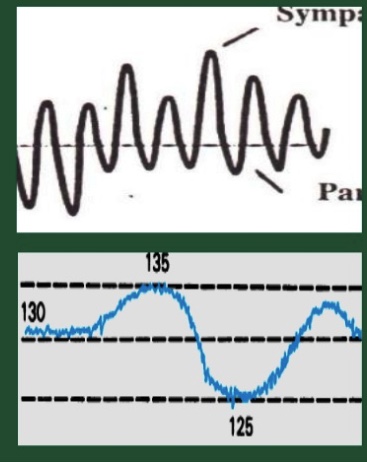
CTG report basics

Cardiotopography (CTG) reporting - basics


CTG: to record fetal heart rate during contractions
When reviewing the CTG trace, assess and document contractions and all 4 features of fetal heart rate: baseline rate; baseline variability; presence or absence of decelerations (and concerning characteristics of variable decelerations* if present); presence of accelerations.

1. check baseline rate

  • normal rate: 110bpm to 160bpm
    • continue usual care as the risk of fetal acidosis is low

2. Baseline Variability

  • normal: 5bpm - 10bpm
  • increased: >25bpm

3. Acceleration

  • to be cautious and take necessary actions when
    • >15bpm
    • >15s
  • The presence of fetal heart rate accelerations (if it is constant with contraction and within range), even with reduced baseline variability, is generally a sign that the baby is healthy.

4. Deceleration

  • to be cautious and take actions when 
    • >15bpm
    • >15s-40s
    • uniform and repetitive
  • If it occurs with contraction < 20s, it is called early deceleration
    • need constant monitor and stand by for Mx

5. To monitor frequency of contraction

  • is it present or absent?

Notes:

1. If CTG is normal, can reexamine again in 7 days time. it varies and depends on situation 
2. If it is difficult to categorise or interpret a CTG trace, obtain a review by a senior midwife or a senior obstetrician


Tips:


1. Document the condition of the woman and unborn baby (including cardiotocography [CTG] findings)systematically every hour, or more frequently if needed. 

2. CTG findings alone could not determine what is the next action that is needed for the mother.

3. Take into account the mother's condition, any antenatal and intrapartum risk factors, the current wellbeing of her and unborn baby and the progress of labour. 

4. Ensure that the focus of care remains on the woman rather than the CTG trace.

5. Remain with the woman in order to continue providing one-to-one support.

6. Talk to the woman and her birth companion(s) about what is happening and take her preferences into account.

More explanation on the different types of situation click here.

References:
1. https://www.nice.org.uk/guidance/cg190/resources/interpretation-of-cardiotocograph-traces-pdf-248732173
2. Video: https://www.youtube.com/watch?v=N9hNCjaL_dE 

Depression and suicide risk

This post mainly focus on how medical students should do when they are asking for the patient's history, especially those suspected with depression. 
It is important to know if the depression that they are facing will lead to serious issues like harming themselves. 
In normal hospital setting, you can see that it is quite often that physicians tie this two together, so we can access their situation in one session. 
Try not to ask their history multiple times as it could affect the way they answer the question. 


History taking always starts with 
Remember to always be caring and a helpful listener.

1. Introduction
  • Name, age, occupation, marital status
2. Ask for chief complain.
  • complain + duration
  • Depression duration: >2 weeks >1 symptoms
3. Present History 
  • ask symptoms that could help you differentiate depression from other diagnosis
    • they are helpful to differentiate the other diseases related. 
4. How to diagnose depression?
  •  Remember : SIG CAPES
  • If they have >1 symptoms 
  • Check if they have
    • Sadness
    • Insomnia
    • Guilty feeling
  • Observe 
    • Concentration
    • Agitation
    • Psycho-motor system
    • Energy
    • Suicidal idea
  • Check if there are any manic involve. it is important to use it to differentiate between bipolar or depression
    • Depression : 
      • no manic
      • not under medication or drug usage (cannabis)


5. Check for their suicidal risk
  • Any signs of them trying to harm themselves? if yes check the below

  • Suicide assessment (5 points)


Details

For example:

Ideation

Idea of trying to harm themselves

e.g. to jump off the plane, 
etc. 

Plan

Any realistic plan to harm themselves?

 Booked a flight ticket

Means

Do you have the materials?

Already have a knife at home. 

Intent

Do you intent to, when?

By next month

History

Past history

 Prior suicide attempts, abort attempts, self-harm


  • SAD PERSONS scale is needed to further evaluate their risk.
  • Then you should check with the SAD PERSONS scale to figure out their score if they need further treatment or not.
    • score  >7 : 
      • Admit them immediately and get consent from them or their family members 
      • Bio-psycho social therapy : relaxation technique, CBT, systemic desensitizing, BZD, SSRI, 
      • Family support


Overall Management


Major Depressive Disorder (MDD) Management


Reference: 

Monday, May 11, 2020

Pocket notes - Psychiatry and related diseases


This post is mainly explaining the differences between 
Dementia
Bipolar disorder
Schizophrenia
Depression
& also
some things to take note of when we are asking for patient's history.
I remember them through mnemonics, hope you find it useful too!


Friday, May 8, 2020

Chronic Obstructive Pulmonary Disease (COPD)

Pocket notes Series:

COPD : Chronic Obstructive Pulmonary Disease


COPD Assessment
COPD: chronic obstructive pulmonary disease; 
GOLD: Global Initiative for Chronic Obstructive Lung Disease; 
mMRC: modified Medical Research Council dyspnea scale; 
CAT: COPD Assessment Test; 
FEV1: forced expiratory volume in one second; 
FVC: forced vital capacity.


Reference:

Sample Answer - Station 4

Station 4

Question: 


Answer:

Sample Answer - S2&3


Station 2 

Question: 

Answer: 


Station 3 

Question: 


Answer 


Return to previous post

Sample answer- Station 1

Station 1

Question:


Answer: 


Wednesday, May 6, 2020

EPR OSCE sample - I


In this post I would like to share some examples of how the OSCE will be asked during Examination for Provisional Registration (EPR) part II.
Start practicing with your friends and think how will you manage your time to answer the question within 10 minutes.


Station 1


Station 2


Station 3

Answers to S2 & S3

Station 4


Answers-S4


Their respective answer can be found after you finish reading the questions.

It can be quite difficult to try practicing this by yourself as you have no real patient, so it would be good if you can find friends who could play the role as the patient and the examiner.

This is for your reference only, to help you get prepared for the exam. 

References: IMU OSCE 2008